


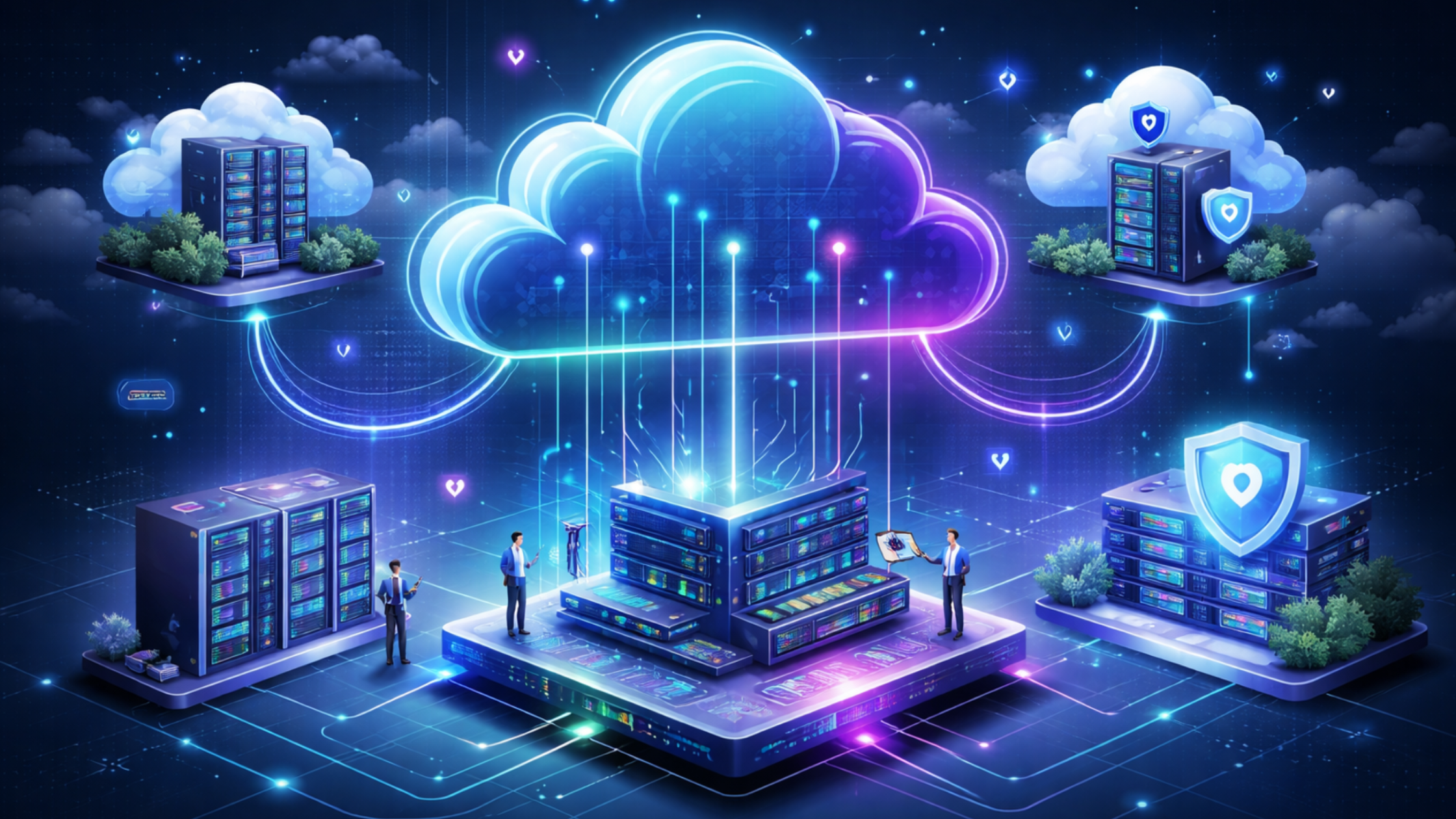
A hybrid cloud environment combines on-premise infrastructure, public cloud, and private cloud systems into one connected architecture. Businesses use hybrid cloud to gain flexibility, improve scalability, and control costs while keeping sensitive data secure.In a hybrid cloud setup:On-premise infrastructure handles legacy or sensitive workloadsPublic cloud provides scalability and global accessPrivate cloud offers better control and […]
Small and mid-size businesses (SMBs) are rapidly adopting cloud computing to stay competitive, reduce IT costs, and scale faster. Among cloud platforms, Google Cloud Platform (GCP) stands out for its performance, security, and innovation. However, managing GCP efficiently requires expertise. This is where GCP Management Services become essential. For many SMBs, handling cloud infrastructure without […]

Cloud platforms like AWS, Azure, and GCP offer massive flexibility, but businesses often end up paying more than expected. The main reason is simple: cloud resources grow fast, and without automation, they become difficult to track and optimize. This is where DevOps Automation Services play a major role. Automation ensures that your cloud environment uses […]
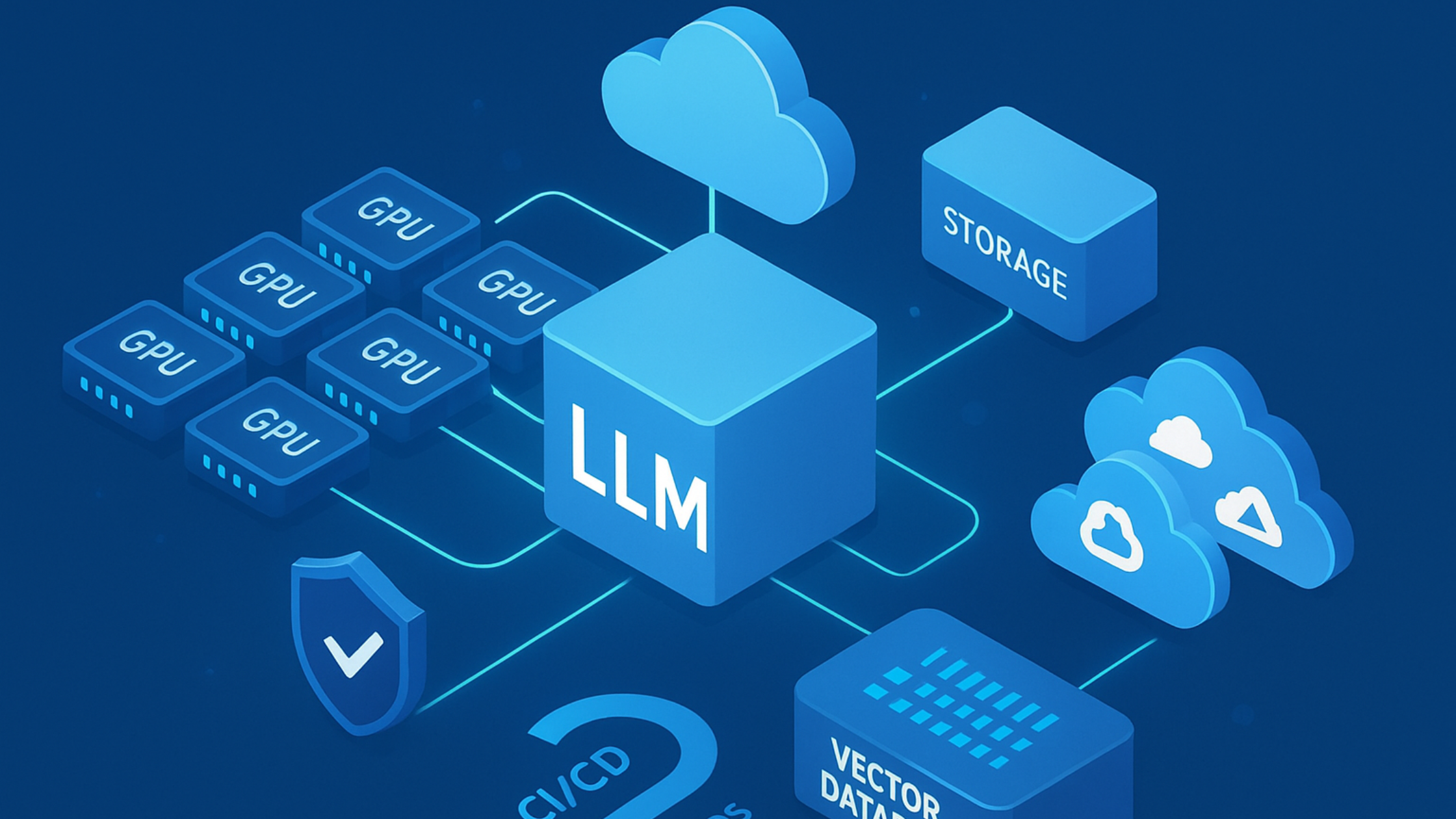
The year 2025 marks a turning point for artificial intelligence. Modern enterprises are deploying advanced Large Language Models (LLMs), retrieval-augmented generation (RAG) systems, and domain-specific AI pipelines that require unprecedented levels of computing performance. These systems rely not only on high-end GPUs but also on a deeply optimized cloud architecture capable of supporting large-scale distributed […]
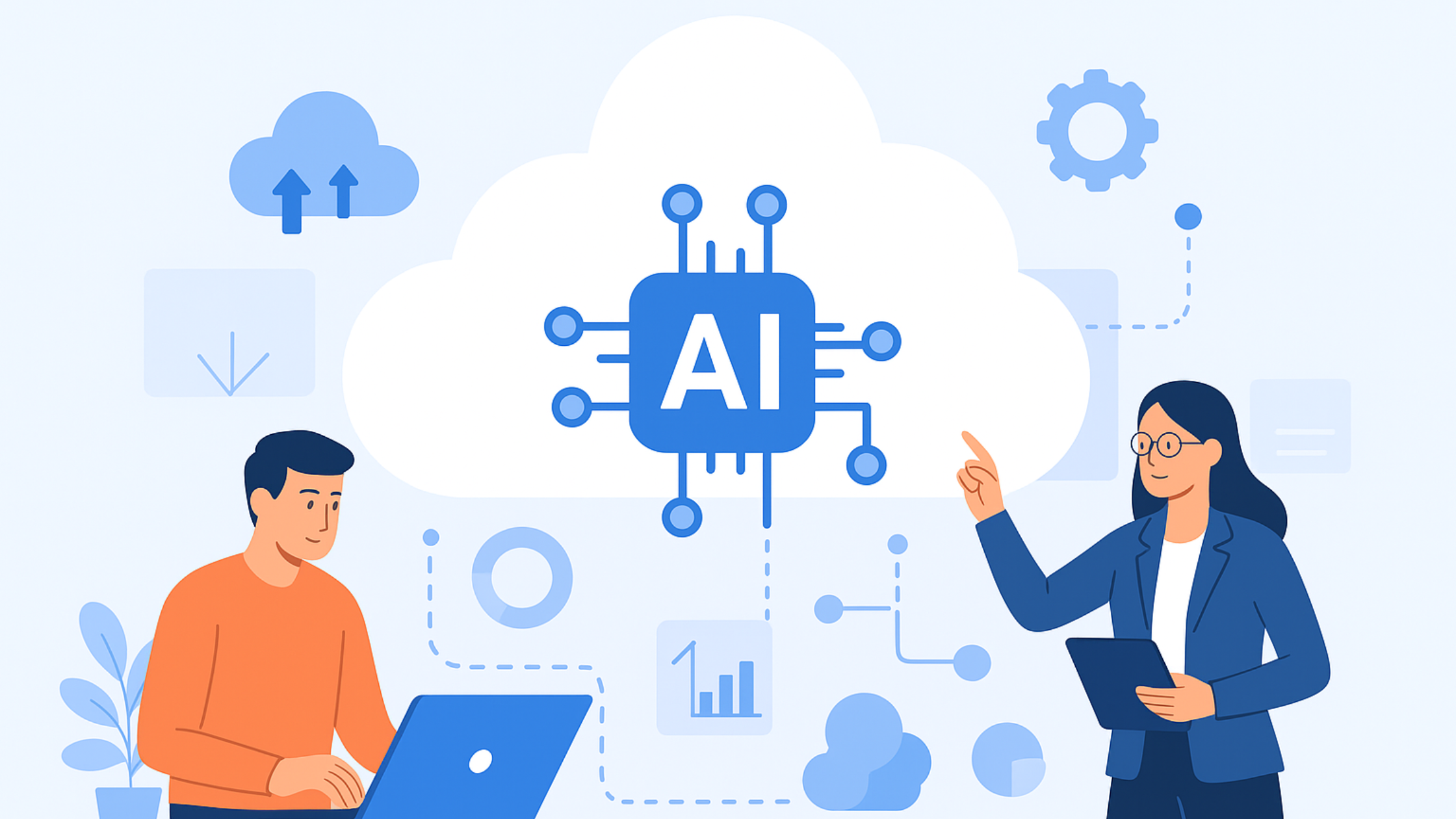
The combination of Artificial Intelligence (AI) and Cloud Computing has changed how businesses operate and scale their digital environments. As automation continues to reshape IT operations, AI-powered Cloud Computing Solutions are emerging as the driving force behind intelligent, adaptive, and self-managing infrastructures. These technologies are not just simplifying manual processes—they’re redefining the way enterprises manage […]
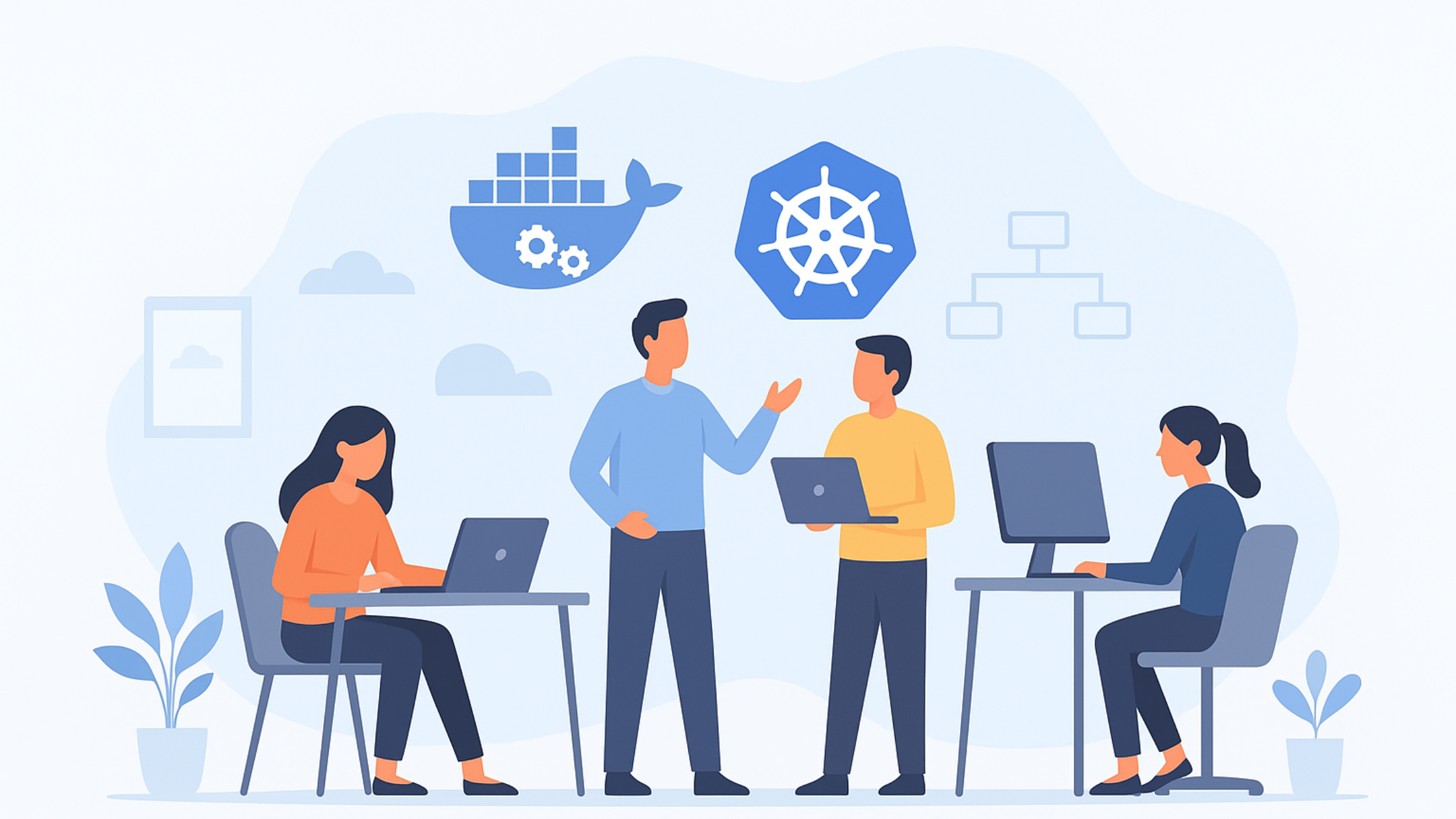
1. Architecting Enterprise-Grade Kubernetes Platforms While many businesses can “spin up” a Kubernetes cluster, building an enterprise-ready platform requires expertise in: Multi-Cluster Design: Ensuring workload separation across regions and environments. Service Mesh Integration: Deploying Istio or Linkerd to handle secure service-to-service communication. Storage Strategies: Using CSI drivers for persistent volumes, dynamic provisioning, and data replication. […]
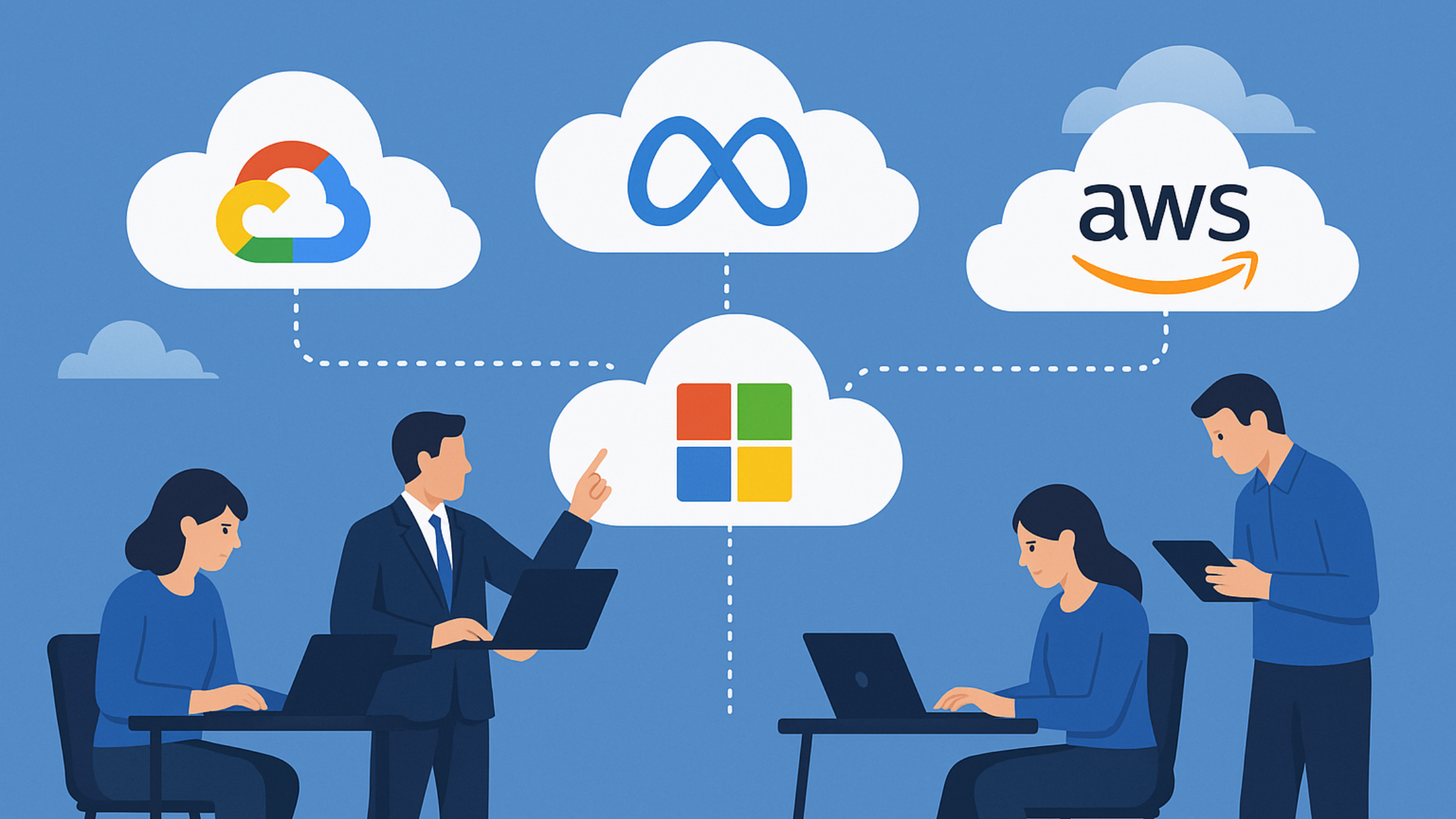
Enterprises no longer operate in a single-cloud world. Modern workloads are distributed across AWS, Microsoft Azure, Google Cloud, and niche regional providers, creating fragmented environments that are difficult to control. While multi-cloud adoption delivers flexibility, it introduces new problems around governance, interoperability, and lifecycle automation. This is where Multi-Cloud Management services have evolved from simple […]
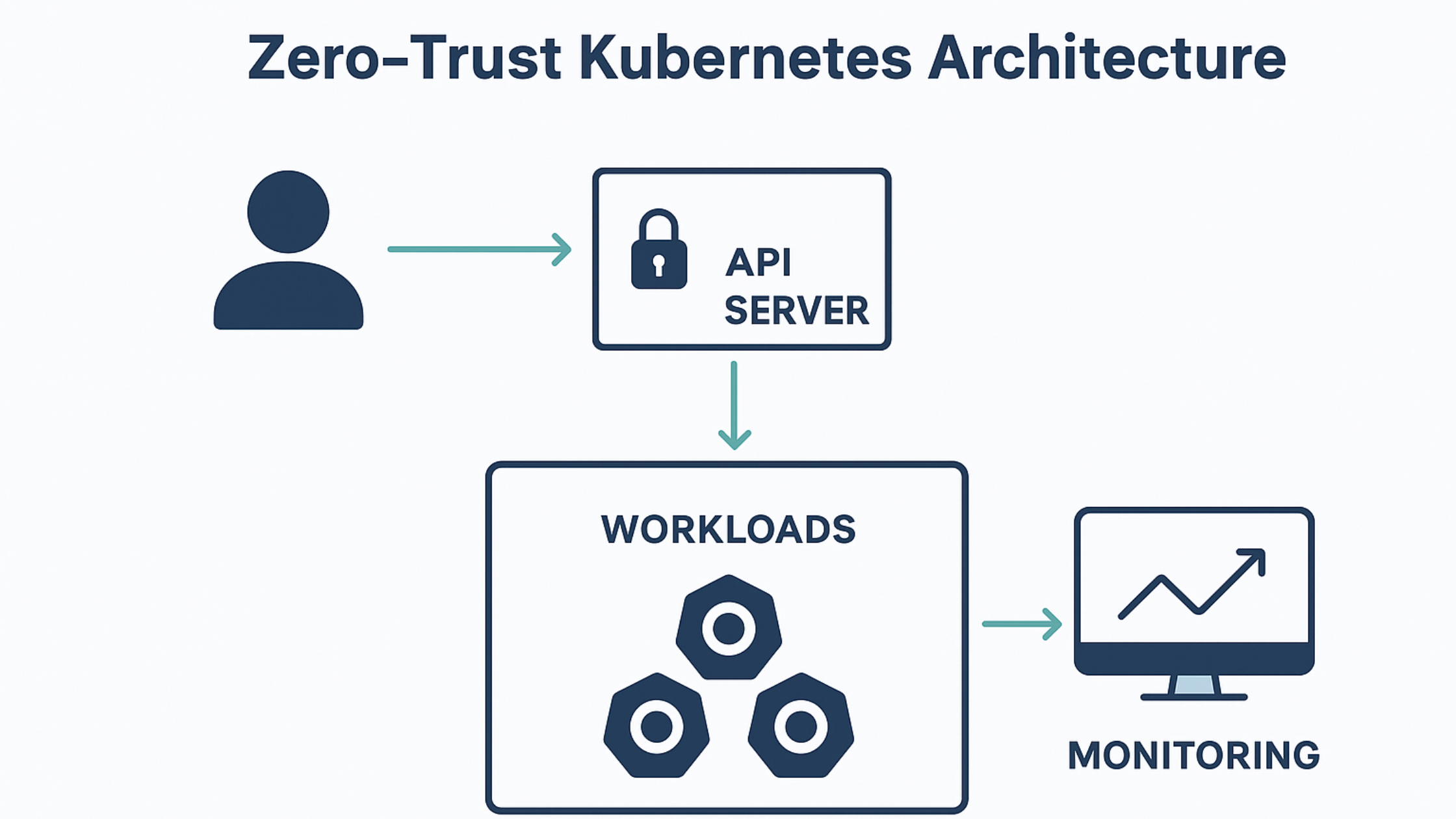
Kubernetes has become the default choice for deploying and scaling cloud-native applications. Its ability to automate container orchestration makes it a powerful platform — but it also introduces new risks. Kubernetes clusters are highly dynamic, with workloads constantly spinning up and down, APIs exposed, and secrets often stored insecurely. Traditional perimeter-based security models are no […]

Modern enterprises adopting Hybrid Cloud Solutions face a growing challenge: managing distributed workloads, dynamic scaling, compliance enforcement, and cross-platform orchestration at scale. Traditional manual processes and static monitoring tools fall short when workloads span Kubernetes clusters, multiple hyperscalers (AWS, Azure, GCP), and on-premises infrastructure. To overcome this, organizations are embedding AI-driven observability and policy-based automation […]
Digital transformation is no longer just a buzzword — it is a survival strategy. Organizations across industries are rethinking how they operate, deliver value, and connect with customers in a digital-first world. The challenge lies in moving from traditional IT systems to agile, scalable, and innovative digital platforms. This is where AWS Cloud Computing Services […]