

How to Implement PCI DSS Compliance in ap-southeast-2: NZ Cost & Timeline Guide
Understanding PCI DSS Compliance Cost in New Zealand’s ap-southeast-2 Region
Implementing Payment Card Industry Data Security Standard (PCI DSS) compliance in New Zealand’s ap-southeast-2 AWS region requires understanding both technical requirements and local regulatory obligations under the Privacy Act 2020. For NZ payment processors and merchants handling card data, PCI DSS compliance costs typically range from NZD 15,000 to NZD 85,000 annually, depending on your merchant level and cardholder data environment complexity. This guide breaks down real costs, timelines, and New Zealand-specific audit pathways that align with Office of the Privacy Commissioner (OPC) expectations and CERT NZ security recommendations.
PCI DSS Compliance Cost Breakdown for New Zealand Organisations
The total cost of PCI DSS compliance in ap-southeast-2 comprises multiple components specific to New Zealand’s regulatory landscape:
- Initial Assessment & Gap Analysis: NZD 3,000–8,000. Techtweek’s AWS Advanced Consulting Partner team conducts environment audits aligned with NZISM (New Zealand Information Security Manual) principles, identifying compliance gaps against PCI DSS v3.2.1 and emerging v4.0 requirements.
- Network Infrastructure & AWS ap-southeast-2 Hardening: NZD 5,000–25,000. Securing EC2 instances, RDS databases, and VPCs in ap-southeast-2 with encryption, network segmentation, and automated logging meets both PCI DSS and Privacy Act 2020 data residency expectations for NZ organisations.
- Qualified Security Assessor (QSA) Audit: NZD 8,000–30,000. Annual external audits conducted by PCI Security Standards Council-approved QSAs familiar with NZ compliance frameworks. Many NZ payment processors require audits twice annually—budgeting accordingly is critical.
- Remediation & Ongoing Compliance: NZD 2,000–15,000 annually. Vulnerability scanning tools, patch management, and staff security awareness training aligned with CERT NZ guidance.
- Documentation & Policy Development: NZD 1,500–5,000. Creating policies compliant with both PCI DSS and the Privacy Act 2020 (particularly regarding cardholder data retention and individual rights).
For Merchant Level 1 (highest transaction volume), total first-year costs often reach NZD 70,000–85,000; Levels 2–4 typically spend NZD 15,000–45,000.
Implementation Timeline & Milestones in ap-southeast-2
Most NZ organisations complete PCI DSS compliance within 4–8 months following this realistic roadmap:
- Month 1: Discovery & Planning (NZD 3,000–6,000). Techtweek conducts a detailed gap analysis of your ap-southeast-2 AWS infrastructure, comparing current state against PCI DSS 3.2.1 requirements and Privacy Act 2020 obligations. This phase identifies merchant level classification and audit scope.
- Months 2–3: Technical Implementation (NZD 8,000–20,000). Deploy encryption for cardholder data at rest and in transit using AWS KMS and TLS 1.2+. Configure VPC security groups, network ACLs, and implement automated logging to CloudWatch and S3 (with MFA delete enabled, per Privacy Act requirements). Enable AWS Config for continuous compliance monitoring.
- Month 4: Vulnerability Management & Testing (NZD 5,000–10,000). Conduct quarterly external vulnerability scans and annual penetration testing using CERT NZ-recognised methodologies. Address findings and document remediation in accordance with NZ Information Security best practices.
- Month 5: Policies, Procedures & Training (NZD 1,500–4,000). Develop cardholder data handling policies, incident response plans (aligned with CERT NZ’s Coordinated Disclosure Framework), and mandatory staff training on Payment Card Industry Data Security, with particular emphasis on Privacy Act 2020 compliance.
- Months 6–8: QSA Audit & Sign-Off (NZD 8,000–30,000). Engage an approved Qualified Security Assessor based in or familiar with NZ regulatory context. The audit validates your environment, generates an Attestation of Compliance (AOC), and ensures alignment with OPC privacy standards. Many NZ payment processors require submission of audit findings to their acquiring bank or card networks.
Post-certification, ongoing annual compliance costs (NZD 10,000–20,000) include re-audits, quarterly scans, and continuous vulnerability management.
New Zealand-Specific Regulatory & Audit Considerations
Several NZ-specific factors affect your PCI DSS implementation cost and timeline:
- Privacy Act 2020 & OPC Alignment: New Zealand’s Office of the Privacy Commissioner enforces the Privacy Act 2020, which imposes stricter cardholder data retention limits and individual access rights than baseline PCI DSS. Budget an additional NZD 1,000–3,000 for Privacy Act-specific documentation and data handling policies. The OPC expects organisations to demonstrate minimal data retention and explicit consent mechanisms—ensure your ap-southeast-2 environment enforces automated data deletion policies.
- NZISM Compliance: Government and critical infrastructure organisations must align PCI DSS with NZISM Level 2 or 3. This requires enhanced encryption, logging, and insider threat monitoring, adding NZD 5,000–15,000 to technical implementation costs.
- CERT NZ & Incident Reporting: CERT NZ mandates that payment processors report material security incidents within 72 hours. Ensure your ap-southeast-2 environment includes automated alerting and a documented incident response plan that references CERT NZ’s Coordinated Disclosure Framework. No additional compliance cost, but failure to comply triggers regulatory penalties.
- AWS ap-southeast-2 Data Residency: While PCI DSS does not mandate data residency, the Privacy Act 2020 expects NZ organisations to keep personal data (including card details) within New Zealand or approved jurisdictions. AWS ap-southeast-2 (Sydney) is the nearest compliant region; using it avoids costly cross-border data transfer audits and reduces latency.
- QSA Availability & Cost Variance: NZ-based Qualified Security Assessors are fewer than in larger markets (Australia, US). Engaging a local QSA familiar with Privacy Act 2020 and NZISM typically costs 10–15% more than remote assessors, but ensures faster remediation cycles and regulatory credibility.
- ISO 27001 Alignment: Many NZ payment processors and merchants pursue ISO 27001 certification alongside PCI DSS. While overlapping, ISO 27001 adds NZD 8,000–20,000 in audit and documentation costs but provides broader information security credibility with NZ clients and regulators.
Cost Optimisation Strategies for NZ Payment Processors
Techtweek’s AWS Advanced Consulting Partner team recommends several strategies to reduce total PCI DSS compliance cost without compromising security:
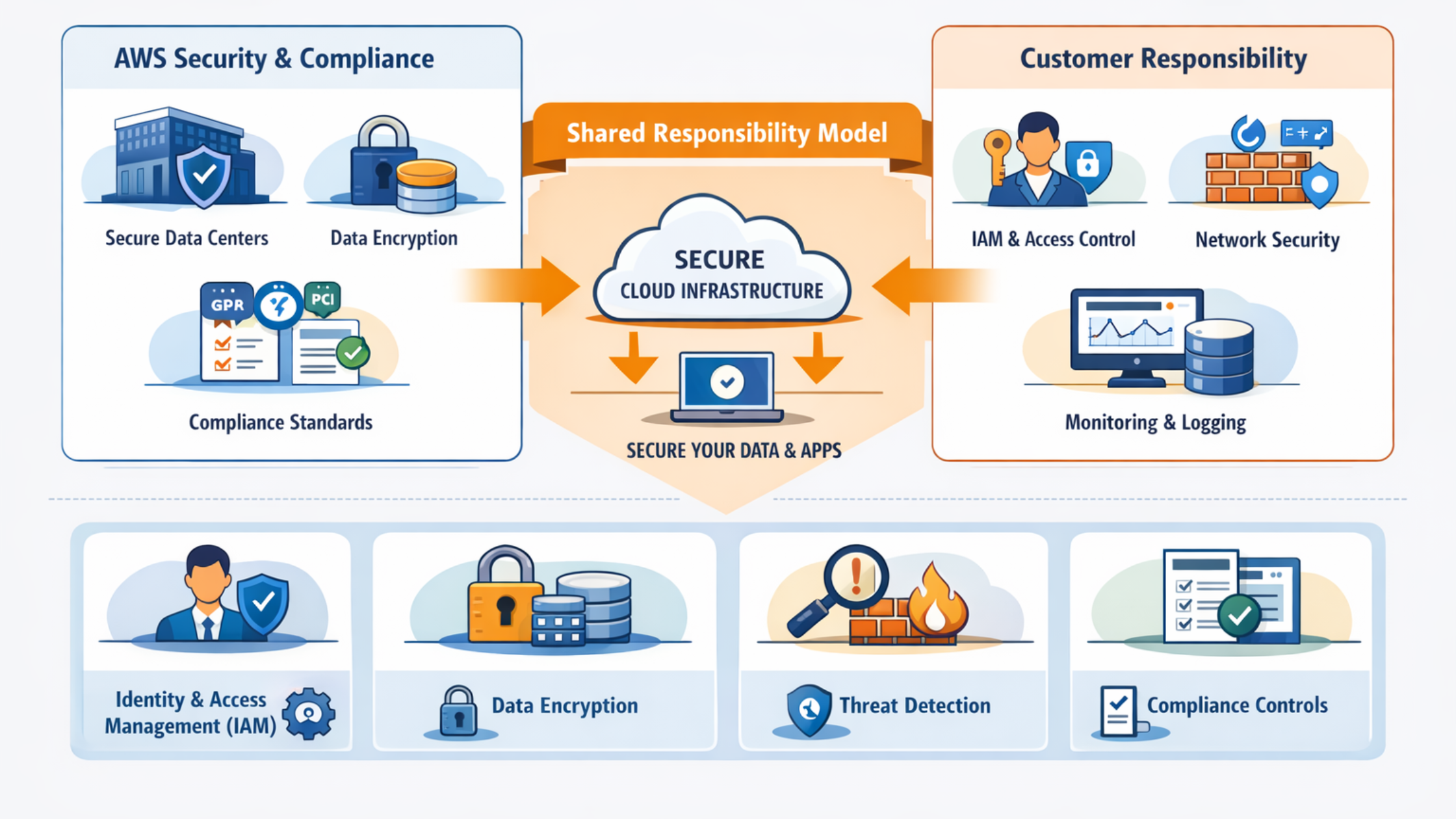
- Leverage AWS Shared Responsibility: Use AWS-managed services (e.g., AWS Payment Cryptography, AWS Payment Gateway) to offload PCI DSS scope. This reduces your environment footprint and audit scope by 20–40%, saving NZD 3,000–8,000 annually.
- Consolidate Compliance Audits: If pursuing ISO 27001 or NZISM simultaneously, negotiate a combined audit with your QSA, reducing total audit fees by 15–25% (NZD 1,500–4,000 savings).
- Automate Compliance Monitoring: Deploy AWS Config, AWS Security Hub, and Techtweek’s custom compliance dashboards to automate continuous monitoring. This reduces manual assessment costs by NZD 2,000–5,000 annually and accelerates audit readiness.
- Implement Merchant-Initiated Transactions (MIT): If applicable, reduce cardholder data stored in your environment by tokenising card data or using third-party payment processors (e.g., Stripe, PaymentExpress NZ). This can lower your merchant level and audit scope, cutting compliance costs by up to 30–50%.
Why Partner with Techtweek Infotech for NZ PCI DSS Compliance
As an AWS Advanced Consulting Partner with deep expertise in New Zealand’s regulatory environment, Techtweek Infotech provides end-to-end PCI DSS compliance services in ap-southeast-2. Our team includes certified cloud architects, security engineers, and compliance advisors who understand both PCI DSS v3.2.1/v4.0 and Privacy Act 2020 requirements. We deliver fixed-price compliance packages (NZD 18,000–40,000 for Levels 2–4), transparent timelines, and 24/7 follow-the-sun support throughout your audit cycle. Our NZ-based team works closely with local Qualified Security Assessors, CERT NZ contacts, and the Office of the Privacy Commissioner to ensure your ap-southeast-2 infrastructure meets all NZ expectations. Let us guide your organisation toward certification with confidence.
Frequently Asked Questions
What is the typical cost of PCI DSS compliance for a New Zealand Merchant Level 3?
Merchant Level 3 organisations in NZ typically invest NZD 25,000–45,000 annually on PCI DSS compliance, including gap analysis (NZD 4,000–6,000), technical hardening in ap-southeast-2 (NZD 6,000–12,000), QSA audit (NZD 10,000–18,000), and ongoing monitoring. Privacy Act 2020 requirements may add NZD 1,000–3,000 for documentation compliance.
How long does PCI DSS certification take in New Zealand?
Initial certification typically requires 4–8 months, including discovery, technical implementation, vulnerability testing, and QSA audit. NZ-specific factors (OPC alignment, CERT NZ incident response planning) may extend timelines by 2–4 weeks. Annual re-certification audits take 2–3 months once your baseline environment is compliant.
Does PCI DSS compliance in ap-southeast-2 require Privacy Act 2020 certification separately?
No, but Privacy Act 2020 compliance is mandatory for NZ organisations handling cardholder data. PCI DSS and Privacy Act 2020 audits are separate; however, aligning both reduces total cost by 15–25% if conducted simultaneously with one QSA. Budget NZD 2,000–5,000 for Privacy Act-specific documentation.
Can we reduce PCI DSS compliance costs by using a third-party payment processor?
Yes. Offloading cardholder data storage and processing to PCI-certified third-party providers (e.g., Stripe, PaymentExpress NZ) can reduce your scope and audit costs by 30–50%, potentially lowering your merchant level. However, you remain liable for vendor compliance—plan NZD 3,000–5,000 for vendor risk assessments.
What is CERT NZ’s role in PCI DSS compliance?
CERT NZ does not mandate PCI DSS but expects payment processors to report material security incidents within 72 hours. Ensure your incident response plan references CERT NZ’s Coordinated Disclosure Framework. Non-compliance triggers regulatory penalties from NZ authorities and acquiring banks, not CERT NZ directly.
Is AWS ap-southeast-2 compliant with New Zealand’s Privacy Act 2020?
Yes. AWS ap-southeast-2 (Sydney) is geographically within NZ-acceptable data residency boundaries for Privacy Act 2020. Data stored in ap-southeast-2 avoids cross-border transfer notifications and approvals, reducing compliance costs and complexity compared to other AWS regions.
Read the full guide: Compliance Management in New Zealand.