


NCSC Cyber Essentials vs Plus: Which UK Organisations Really Need the Higher Standard?
The NCSC Cyber Essentials and Cyber Essentials Plus certifications represent the UK government’s baseline cybersecurity framework, yet many organisations remain uncertain which level genuinely protects their risk profile. This guide clarifies the distinction and helps UK businesses—from SMEs to enterprises subject to ICO GDPR and FCA PS21/3 rules—select the appropriate standard for their sector and threat landscape.
Understanding the Core Difference: NCSC Cyber Essentials vs Plus
Both certifications address five foundational controls: boundary firewalls and internet gateways, secure configuration, access control, malware protection, and patch management. The critical divergence lies in assurance depth.
Cyber Essentials relies on self-assessment questionnaires reviewed by accredited certification bodies operating under UKAS (United Kingdom Accreditation Service) oversight. This is cost-effective—typically £500–£2,000—and suits organisations with lower exposure to sensitive data or critical infrastructure.
Cyber Essentials Plus mandates independent technical verification by NCSC-accredited assessors, including penetration testing and hands-on configuration audits. Costs range from £3,000–£8,000+ depending on estate complexity, but deliver Government Digital Service (GDS) assurance and Scheme Provider-certified validation.
Sector-Specific Requirements: When Plus Becomes Mandatory
UK regulatory bodies increasingly prescribe or strongly recommend Cyber Essentials Plus:
- Financial Services (FCA PS21/3): Regulated firms managing customer funds or critical financial market infrastructure often require Plus to demonstrate operational resilience and third-party cyber risk management alignment.
- Healthcare & NHS Supply Chain: NHS England procurement mandates Cyber Essentials Plus for IT suppliers in eu-west-2 data residency regions; NHSX frameworks explicitly reference independent verification.
- Critical National Infrastructure (CNI): Water utilities, energy providers, and transport operators fall under Network and Information Systems Regulations (NIS Regulations 2018). NCSC guidance strongly advises Plus certification as evidence of baseline protective measures.
- Public Sector & Government Contracts: Civil Service resourcing standards (Cabinet Office Secure by Design) favour Plus for suppliers handling sensitive or protectively-marked data.
- Defence & Aerospace: MOD suppliers and organisations aligned to Defence and Security Accreditation Board (DSAB) frameworks typically require Plus as a gateway to higher classifications.
Risk Profile & Data Classification: Making the Business Case
The choice depends less on organisation size and more on data sensitivity and threat exposure:
Choose Cyber Essentials if you: operate primarily with non-sensitive personal data (anonymous analytics, public-facing websites), process fewer than 100 customer records, operate without direct payment card handling, and face low targeted attack risk. Micro-enterprises and sole traders in low-risk sectors (creative agencies, local consultancies) often find Essentials sufficient under GDPR Article 32 (appropriate technical measures) and Schedule 3 ICO guidance.
Choose Cyber Essentials Plus if you: handle Special Category Data (health, biometric, race), process 1,000+ customer records under GDPR, operate within regulated sectors (FCA PS21/3, PRA expectations), provide services to NHS or public sector bodies, manage payment systems, or operate critical IT infrastructure. Plus demonstrates to UK regulators and customers that you’ve undergone independent validation—critical for contractual compliance and insurance underwriting under Cyber Liability policies.
Operational Impact & Implementation Roadmap
Techtweek Infotech, as an AWS Advanced Consulting Partner serving UK enterprises, observes that Cyber Essentials Plus certification typically requires 8–16 weeks from initial assessment to award, particularly where cloud infrastructure (AWS regions in eu-west-2 London) or hybrid environments exist.
Essentials Timeline: Self-assessment (2–4 weeks) + certification body review (2–4 weeks) = 4–8 weeks total. Minimal operational disruption; your team completes a detailed questionnaire covering firewall policies, patch schedules, and access logs.
Plus Timeline: Assessment (2 weeks) + technical verification including port scanning, configuration audits, and live system testing (4–8 weeks) + remediation (4–8 weeks, depending on findings). Plan for temporary access provisioning, controlled testing windows, and post-assessment hardening.
Both certifications remain valid for three years; however, Plus requires annual reassurance activities (interim reviews) costing £800–£1,500 per annum to maintain accreditation and demonstrate evolving control maturity.
Cost-Benefit Analysis for UK Decision-Makers
Cyber Essentials ROI: Ideal for organisations seeking baseline compliance with minimal investment. Satisfies GDPR Article 32 proportionality for small-scale processors and enhances customer trust through visible badge marketing. Estimated annual compliance cost (certification + maintenance): £1,000–£3,000 GBP.
Cyber Essentials Plus ROI: Justifies cost through reduced cyber liability insurance premiums (5–15% savings observed with insurers like AIG, Hiscox underwriting UK SME technology firms), mandatory compliance with FCA PS21/3 for regulated entities, unlocks government and NHS supplier frameworks, and demonstrates due diligence to data subjects and regulators during ICO GDPR audits. Estimated annual cost (initial + annual reassurance): £4,000–£10,000 GBP depending on estate size.
For organisations handling NHS referrals or critical infrastructure, Plus certification typically pays for itself within 12–18 months through contract premiums and reduced audit friction.
Final Recommendation: A Staged Approach
Many UK organisations adopt a staged pathway: begin with Cyber Essentials to establish foundational controls and demonstrate commitment, then upgrade to Plus within 12–18 months as data volumes grow, regulatory exposure increases, or supplier contracts demand higher assurance. This approach balances budget constraints with future-proofing and aligns with NCSC’s National Cyber Security Strategy emphasis on proportionate, maturity-based progression.
Techtweek Infotech’s 24/7 follow-the-sun support model ensures UK clients receive real-time guidance through assessment phases, cloud infrastructure hardening, and post-certification governance—critical for organisations managing complex AWS or hybrid deployments across eu-west-2 and multi-region estates.
Frequently Asked Questions
Do I legally need Cyber Essentials Plus if I’m a UK SME?
Not automatically, unless you’re regulated (FCA PS21/3, PRA), supply the NHS or government, or handle Special Category Data under GDPR. However, many contracts and cyber insurance policies increasingly require or incentivise Plus for SMEs processing personal data at scale.
How does Cyber Essentials Plus satisfy FCA PS21/3 operational resilience?
FCA PS21/3 expects firms to manage third-party cyber risks and demonstrate baseline security. Cyber Essentials Plus provides independent verification of controls (firewalls, patch management, access control) and satisfies proportionality expectations for non-critical services and suppliers.
Can I achieve Cyber Essentials Plus with AWS cloud infrastructure in eu-west-2?
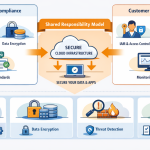
Yes. AWS Shared Responsibility Model means you control guest OS, firewall rules, and access management; assessors verify your configurations and supplementary controls. AWS compliance reports (SOC 2, ISO 27001) complement your Plus evidence.
What happens if I fail Cyber Essentials Plus assessment?
Failure means non-award; you must remediate findings and re-submit for technical verification. Most failures stem from unpatched systems or misconfigured access controls—fixable within 4–8 weeks. Certification bodies provide remediation roadmaps.
How long is Cyber Essentials Plus valid, and what are ongoing costs?
Valid for three years. Annual reassurance activities (£800–£1,500) maintain accreditation and demonstrate control evolution. Full re-certification every three years costs the equivalent of initial assessment.
Does Cyber Essentials Plus cover GDPR compliance entirely?
No. Plus addresses Article 32 (technical measures); you still need GDPR privacy impact assessments, data processing agreements, breach response plans, and ICO record-keeping. Treat Plus as one component of overall compliance.
Read the full guide: Compliance Management in UK.