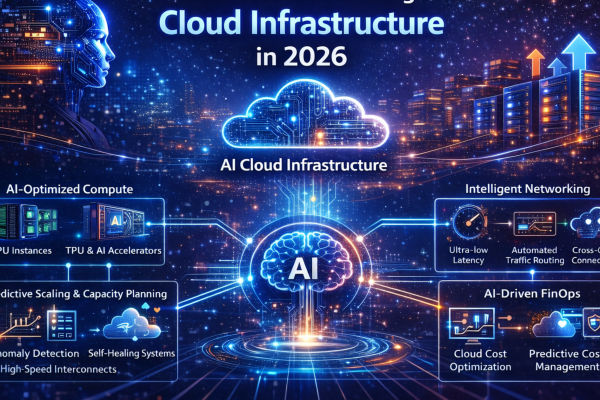



How AI is Transforming Cybersecurity in 2026
How AI is Transforming Cybersecurity in 2026
Cybersecurity threats are evolving faster than ever before.
Traditional security systems are struggling to keep up with:
sophisticated ransomware attacks
AI-generated phishing campaigns
zero-day vulnerabilities
cloud infrastructure threats
automated cyberattacks
As organizations continue to expand their digital operations, cybersecurity teams face increasing pressure to detect and respond to threats in real time.
This is where Artificial Intelligence (AI) is changing the game.
In 2026, AI has become one of the most powerful technologies driving modern cybersecurity strategies across businesses, enterprises, governments, and cloud platforms.
From intelligent threat detection to automated incident response, AI is transforming how organizations defend their systems and sensitive data.
Why Traditional Cybersecurity is No Longer Enough
Modern cyberattacks have become:
faster
more automated
highly targeted
difficult to detect manually
Security teams often deal with:
thousands of alerts daily
massive log data
insider threats
advanced persistent threats (APTs)
evolving malware variants
Human-only monitoring is no longer sufficient for handling today’s cybersecurity landscape.
Organizations now require intelligent systems capable of:
analyzing large data volumes
identifying suspicious behavior
predicting threats
responding automatically
This is why AI-powered cybersecurity adoption is rapidly increasing worldwide.
What is AI in Cybersecurity?
AI in cybersecurity refers to the use of:
machine learning
behavioral analytics
automation
predictive intelligence
data analysis algorithms
to identify, prevent, and respond to cyber threats.
AI systems continuously learn from:
attack patterns
user behavior
network traffic
threat intelligence feeds
historical security incidents
This allows cybersecurity tools to detect unusual activities much faster than traditional security systems.
How AI is Transforming Cybersecurity
1. Faster Threat Detection
One of AI’s biggest advantages is real-time threat detection.
AI-powered systems can analyze:
millions of events
network activities
user behaviors
login patterns
device communications
within seconds.
This helps organizations identify:
malware
ransomware
phishing attempts
unauthorized access
suspicious insider activity
before significant damage occurs.
2. Predictive Security Intelligence
AI can predict potential cyber threats by analyzing historical attack patterns and behavioral anomalies.
Instead of reacting after an attack happens, organizations can proactively identify vulnerabilities and suspicious activities.
Predictive AI helps businesses:
reduce attack risks
improve incident prevention
strengthen cybersecurity posture
minimize downtime
This proactive approach is becoming essential in 2026.
3. Automated Incident Response
Cybersecurity teams often struggle with alert fatigue and delayed response times.
AI-driven automation can:
isolate infected systems
block malicious IP addresses
disable compromised accounts
trigger security workflows
notify security teams instantly
Automated response significantly reduces the impact of cyberattacks.
4. AI-Powered Phishing Detection
Phishing attacks are becoming more advanced due to generative AI tools.
Attackers now create:
highly personalized emails
fake websites
realistic messages
AI-generated voice scams
AI-powered security tools help detect:
suspicious communication patterns
abnormal sender behavior
malicious links
fake domains
This improves email security and user protection.
5. Behavioral Analytics and Insider Threat Detection
AI systems can establish baseline user behavior patterns.
If unusual activity occurs — such as:
abnormal login times
unauthorized data downloads
suspicious account access
unexpected privilege escalation
AI tools immediately flag potential insider threats or compromised accounts.
This reduces the risk of internal security breaches.
6. Enhanced Cloud Security
As businesses continue moving toward cloud infrastructure, AI plays a critical role in cloud security monitoring.
AI helps organizations:
detect cloud misconfigurations
identify unauthorized access
monitor API behavior
secure hybrid environments
improve workload visibility
Cloud-native security platforms increasingly rely on AI-driven analytics.
Industries Benefiting from AI Cybersecurity
AI cybersecurity solutions are rapidly growing across industries such as:
banking and fintech
healthcare
ecommerce
SaaS platforms
manufacturing
government sectors
telecom
cloud service providers
Organizations handling sensitive customer data are investing heavily in AI-powered defense systems.
Challenges of AI in Cybersecurity
Despite its advantages, AI cybersecurity also introduces challenges.
AI-Powered Cyberattacks
Cybercriminals are also using AI to:
automate attacks
bypass security systems
generate phishing content
develop adaptive malware
This creates an ongoing AI security arms race.
False Positives
Some AI systems may incorrectly identify normal activities as threats, creating operational disruptions.
Data Privacy Concerns
AI systems often process large volumes of sensitive information, raising compliance and privacy considerations.
High Implementation Costs
Advanced AI cybersecurity platforms can require significant investment and technical expertise.
Popular AI Cybersecurity Technologies in 2026
Several technologies are shaping the future of AI security:
Extended Detection and Response (XDR)
Security Information and Event Management (SIEM)
User and Entity Behavior Analytics (UEBA)
AI-driven endpoint protection
Automated threat intelligence platforms
AI-powered SOC automation
These tools help organizations improve visibility, detection, and response capabilities.
The Future of AI in Cybersecurity
The future of cybersecurity will heavily depend on:
intelligent automation
predictive analytics
autonomous threat response
AI-assisted security operations
As cyber threats continue to evolve, organizations that adopt AI-driven cybersecurity strategies will gain stronger resilience and faster response capabilities.
AI is no longer just an emerging technology — it is becoming a foundational component of modern cyber defense.
Final Thoughts
Cybersecurity in 2026 is becoming increasingly complex, fast-moving, and AI-driven.
Traditional security approaches alone are no longer enough to defend against modern cyber threats.
Artificial Intelligence is transforming cybersecurity by enabling:
faster threat detection
predictive defense
automated incident response
intelligent monitoring
advanced behavioral analysis
Organizations that invest in AI-powered cybersecurity today will be better prepared to manage future cyber risks and evolving digital threats.
About TechTweek
TechTweek shares insights on emerging technologies, cybersecurity trends, AI innovation, business technology, and the future of digital transformation.